R&D KOSÉ Discovers That Energy-Burning "Beige Adipocytes" Enhance Skin Barrier Function 2026.07.09 Show Full [ PDF / 368KB ]
KOSÉ Corporation, in collaboration with DIVA Expertise (a French preclinical CRO), has revealed that the conversion of fat cells residing deep within the skin into energy-burning “beige adipocytes” leads to improved skin barrier function, which is essential for healthy skin. Some of these research findings were presented at the 26th Annual Meeting of the Japanese Society of Anti-Aging Medicine, held in June 2026.
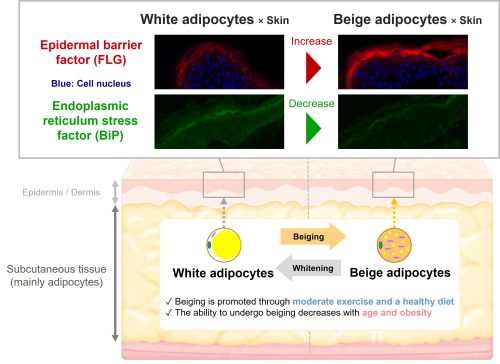
Figure 1. Impact of Adipocytes on the Epidermis
Research Background
It is widely known that lifestyle habits impact skin and beauty. The skin consists of a hierarchical structure comprising the epidermis, dermis, and subcutaneous tissue. Within the subcutaneous tissue, which is largely made up of fat cells, there are two types of adipocytes: “white adipocytes” that store energy, and “beige adipocytes” that burn energy. These adipocytes can transition reversibly, shifting from white to beige through moderate exercise and a healthy diet, or from beige to white due to a lack of exercise and excessive caloric intake. Although it was understood that these two types of adipocytes change depending on lifestyle, the specific differences in their respective impacts on the skin were not yet fully understood. Therefore, in this study, KOSÉ focused on the “beiging” of adipocytes—a process deeply linked to lifestyle habits—to uncover the targeted effects that these adipocytes have on the skin.
Discovery that Beige Adipocytes Improve Epidermal Barrier Function
To investigate the effects of secretions from these two types of adipocytes on skin tissue, a joint research project was conducted between KOSÉ’s Lyon Branch (France), which possesses advanced human skin culture evaluation technology, and DIVA Expertise, known for its deep expertise in the culture and evaluation of adipocytes. As a result of co-culturing human skin with either white adipocytes or beige adipocytes, it was found that beige adipocytes, compared to white adipocytes, increased the levels of filaggrin (FLG), a critical factor for maintaining the epidermal moisturizing barrier. Furthermore, it was indicated that BiP—an indicator of “endoplasmic reticulum (ER) stress,” which leads to a decline in epidermal barrier function—was decreased (Figure 1).
Moreover, this phenomenon was also verified through the expression of genes responsible for producing each factor. When the secretions of each adipocyte type were added to epidermal cells for analysis, it was confirmed that beige adipocytes, compared to white adipocytes, reduced the expression levels of ER stress-related genes such as HSPA5 and PPP1R15A. It was also confirmed that they increased the expression levels of genes crucial for maintaining epidermal barrier function, such as FLG and CASP14 (Figure 2).
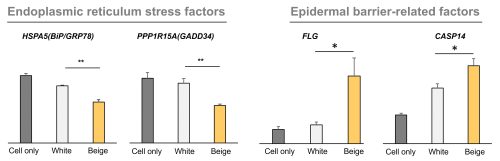
Figure 2. Gene Expression Levels of Epidermal Cells Treated with Adipocyte Secretions
Based on the above results, it was suggested that promoting the “beiging” of white adipocytes alleviates epidermal ER stress, thereby improving the skin barrier function.
Future Outlook
This research suggests that the “beiging” of adipocytes can directly contribute to improving the skin’s barrier function. This knowledge is expected to be applied not only to innovative skincare products but also to holistic beauty solutions, including guidance on exercise and dietary habits. Moving forward, KOSÉ will continue to elucidate the complex relationship between adipose tissue and the skin, aiming to provide novel products and services that address customers’ diverse skin concerns and contribute to enhancing their overall quality of life (QOL).
Share